
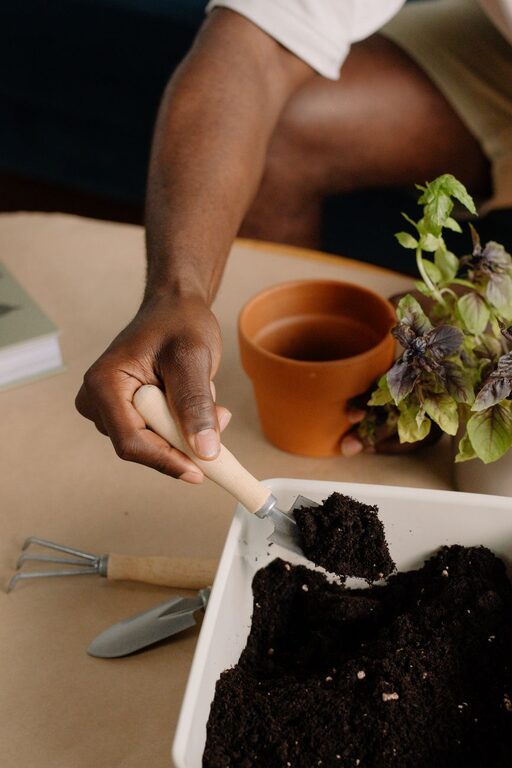
How to Start a Small Herb Garden Indoors: A Beginner’s Guide
Starting a small herb garden indoors is a rewarding and practical way to bring fresh flavors into your kitchen, enhance your cooking, and add a touch of greenery to your home. Whether you have limited outdoor space or just want to enjoy gardening year-round, growing herbs indoors is easier than you might think. This guide will walk you through the basics of setting up and maintaining your indoor herb garden successfully.
Why Grow Herbs Indoors?
Growing herbs indoors offers several benefits:
– Freshness: Harvest herbs whenever you need them, ensuring the best flavor.
– Convenience: Have a kitchen garden right at your fingertips.
– Year-round growth: Indoor gardens aren’t affected by seasonal weather changes.
– Aesthetic appeal: Herbs add natural beauty and a pleasant aroma to your living space.
– Cost savings: Growing your own herbs reduces trips to the grocery store.
Choosing the Right Herbs for Indoor Gardening
Not all herbs thrive indoors equally well. Choose varieties that adapt well to indoor conditions:
– Basil: Loves bright light and warmth.
– Mint: Grows quickly and tolerates lower light.
– Parsley: Prefers bright indirect light.
– Thyme: Needs good light and well-drained soil.
– Chives: Easy to grow and can handle moderate light.
– Cilantro: Enjoys cooler temperatures and bright light.
– Oregano: Thrives in sunny spots and well-drained soil.
Starting with 3 to 5 varieties is a good way to experiment and find what works best in your space.
Selecting Containers for Your Herb Garden
The right container helps herbs grow healthy and strong:
– Size: Choose pots that are at least 4-6 inches deep to accommodate root growth.
– Material: Clay, ceramic, or plastic pots all work; clay pots help soil dry out faster.
– Drainage: Ensure pots have holes to prevent water from pooling and causing root rot.
– Saucers: Use saucers under pots to catch excess water and protect surfaces.
You can use single pots or a larger container with multiple compartments to save space.
Soil and Planting Tips
Healthy soil is the foundation of a thriving herb garden:
– Use a high-quality potting mix designed for indoor plants. Avoid garden soil as it can be too dense.
– Mix in perlite or vermiculite to improve drainage and aeration.
– Fill pots loosely with soil to avoid compacting roots.
– If starting from seeds, follow specific planting depth instructions on the seed packet.
– For seedlings or small plants, gently loosen roots before planting in pots.
Light Requirements and Placement
Light is crucial for herb growth:
– Most herbs require at least 6 hours of bright light each day.
– Place your herb garden near a south-facing window to get the best natural light.
– If natural light is limited, consider using a grow light with full-spectrum bulbs.
– Rotate pots regularly to ensure even growth on all sides.
Watering and Humidity
Proper watering helps your herbs flourish:
– Water when the top inch of soil feels dry to the touch.
– Avoid overwatering; soggy soil can lead to root rot.
– Use room-temperature water.
– Herbs like mint and basil may need more frequent watering.
– Increase humidity by misting plants or placing a tray of water nearby, especially in dry indoor air.
Fertilizing Your Indoor Herb Garden
Nutrients keep your herbs healthy:
– Use a balanced liquid fertilizer every 4-6 weeks during the growing season.
– Dilute fertilizer to half the recommended strength to avoid burning plants.
– Organic options like compost tea or fish emulsion are also great.
Pruning and Harvesting
Regular trimming encourages fuller growth:
– Pinch off the tips of herbs like basil and thyme to promote branching.
– Harvest leaves from the top to prevent the plant from becoming leggy.
– Avoid cutting more than one-third of the plant at a time.
– Use fresh herbs immediately or dry them for later use.
Common Problems and How to Fix Them
Indoor herb gardens may face some challenges:
– Yellow leaves: Often a sign of overwatering.
– Leggy plants: Usually caused by insufficient light.
– Pests: Watch for spider mites or aphids; wipe leaves with a damp cloth or use insecticidal soap.
– Wilting: Check soil moisture; could be either over- or underwatering.
Additional Tips for Success
– Start with healthy plants or quality seeds.
– Label your herbs to keep track of varieties.
– Use a timer for grow lights to provide consistent lighting.
– Keep an eye on temperature; most herbs prefer 65-75°F (18-24°C).
– Enjoy the process—watching your herb garden grow is satisfying!
Conclusion
Starting a small indoor herb garden is both fun and practical, giving you fresh, flavorful herbs all year round. By selecting the right herbs, containers, and caring for them with proper light, water, and nutrients, you can cultivate a thriving indoor garden no matter your space. With a little attention and patience, your indoor herb garden will become a lovely addition to your home and kitchen.
Happy gardening!
