
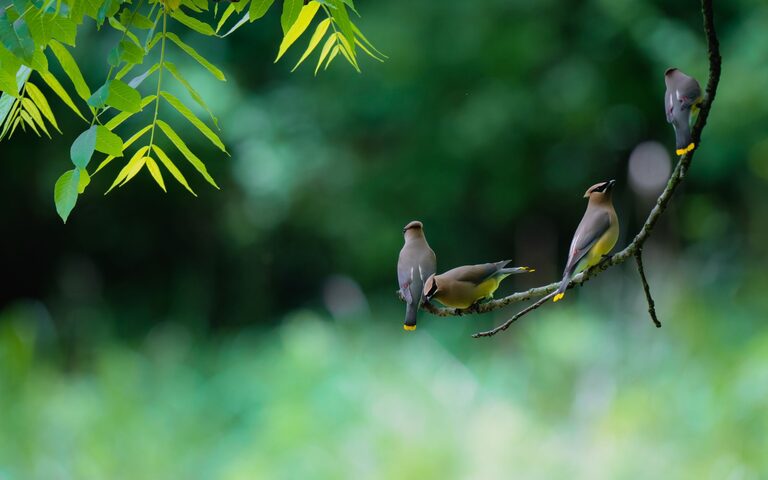
Beginner Tips for Backyard Birdwatching: Enjoy Nature at Home
Birdwatching is a relaxing and rewarding hobby that connects you with nature right in your own backyard. Whether you have a small garden or a spacious yard, observing birds can bring joy, curiosity, and a deeper appreciation for the natural world. If you’re new to birdwatching, this guide offers beginner tips to help you get started and make the most of your backyard birding experience.
Why Birdwatch in Your Backyard?
Watching birds at home is convenient and requires minimal equipment. It’s a great way to learn about local wildlife and seasonal changes without traveling. Plus, birdwatching can be a fun family activity or a peaceful solo pastime.
Getting Started: What You Need
Before you begin, gather a few essentials that will make birdwatching easier and more enjoyable:
1. Binoculars
A good pair of binoculars helps you see birds clearly from a distance. You don’t need expensive ones; a basic model with 8x or 10x magnification is perfect for beginners.
2. Field Guide or App
A bird field guide or a smartphone app can help you identify the birds you see. Many apps provide photos, calls, and tips for common local species.
3. Notebook or Bird Journal
Keep track of the birds you spot by writing notes or drawing sketches. This makes birdwatching more engaging and helps track your progress over time.
Attracting Birds to Your Backyard
Creating a welcoming environment is key to attracting a variety of birds. Here are some easy ways to make your yard bird-friendly:
Provide Food
Setting up bird feeders with the right food attracts different species.
– Seed feeders: Black oil sunflower seeds attract many songbirds.
– Suet feeders: Great for woodpeckers and nuthatches.
– Nectar feeders: Hummingbirds love sugar water nectar.
Offer Water
Birds need fresh water for drinking and bathing. A birdbath or shallow dish filled with clean water will invite them to visit.
Create Shelter
Plant native shrubs, trees, and flowers that offer shelter and nesting sites. Dense bushes protect birds from predators and provide shade.
Avoid Chemicals
Limit pesticides and herbicides in your garden. These chemicals can harm birds and reduce the insects they feed on.
Tips for Observation
Be Patient and Quiet
Birds are easily startled, so move slowly and speak softly. Find a comfortable spot where you can sit quietly and watch without disturbing the birds.
Watch at Different Times
Bird activity varies throughout the day. Early mornings and late afternoons are usually the best times for birdwatching.
Learn Bird Behavior
Noticing how birds move, feed, and interact helps with identification and makes watching more interesting.
Use a Stable Viewing Point
If you use binoculars, rest your elbows on a fence or table to steady your view.
Identifying Birds
Learning to identify birds takes practice. Here are some features to observe:
– Size and shape: Notice the bird’s body size, beak shape, and tail length.
– Color patterns: Look for distinctive colors or markings on the head, wings, or belly.
– Songs and calls: Listening to bird sounds can be just as helpful as sight.
– Behavior: Some birds hop on the ground while others cling to tree bark or feeders.
Joining a Birdwatching Community
Connecting with others can enhance your enjoyment and knowledge. Consider joining local birdwatching clubs, online forums, or social media groups. Many communities organize bird counts and events that welcome beginners.
Keeping a Backyard Birdwatching Log
Tracking your sightings encourages you to keep observing and learning. Record the bird species, date, time, and behaviors you notice. Over time, you may see seasonal patterns or new species visiting your yard.
Common Backyard Birds to Expect
Depending on your location, you might regularly spot common species such as:
– American Robin
– Northern Cardinal
– Blue Jay
– Mourning Dove
– Chickadee
– House Finch
– Goldfinch
Learning about these birds’ habits will make it easier to recognize them in your backyard.
Final Thoughts
Backyard birdwatching is a wonderful way to connect with nature, relieve stress, and learn about wildlife. By attracting birds with food and shelter, practicing patience, and using simple tools like binoculars and guides, you can enjoy countless hours of birding right at home. So grab your binoculars and start exploring the feathered friends visiting your backyard today!
