
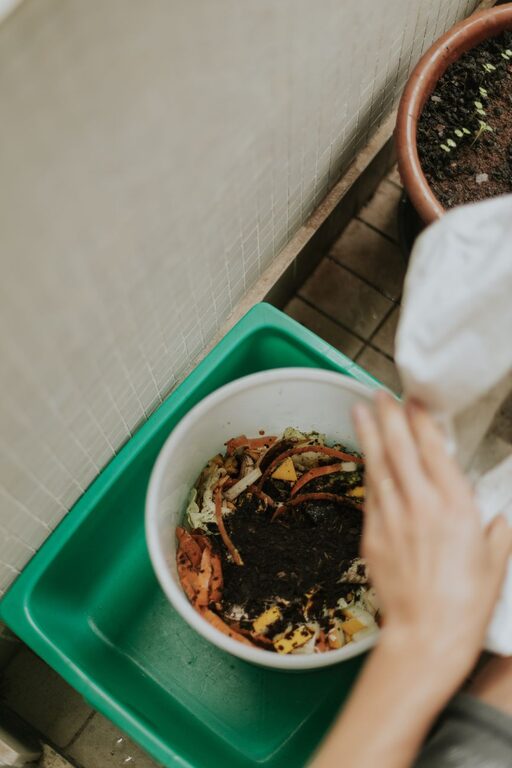
Beginner Tips for Composting at Home: Easy Steps to Start Today
Composting at home is a fantastic way to reduce waste and create nutrient-rich soil for your garden. Whether you have a backyard or just a small balcony, composting can be adapted to fit your space and lifestyle. If you’re new to composting, it might seem a bit overwhelming at first, but with some basic knowledge and a few simple steps, you’ll be on your way to turning kitchen scraps and yard waste into black gold for your plants.
In this post, we’ll go over beginner tips to help you start composting at home easily and effectively.
What is Composting?
Composting is the natural process of recycling organic matter like food scraps and yard waste into a rich soil amendment called compost. Compost improves soil structure, provides nutrients to plants, and helps retain moisture.
Why Compost at Home?
– Reduce Waste: Composting keeps organic materials out of landfills, lowering greenhouse gas emissions.
– Save Money: Create free, nutrient-dense soil for your garden or indoor plants.
– Improve Soil Health: Use compost to enrich garden beds, lawns, or potted plants.
– Support Sustainability: Composting is an eco-friendly practice that contributes to a healthier environment.
Beginner Tips for Starting Compost at Home
1. Choose a Composting Method That Fits Your Space
– Traditional Compost Bin: For yard space owners, a bin or pile in the backyard works well.
– Tumbler Composters: These enclosed bins can be rotated to speed up composting and reduce odors.
– Vermicomposting: Using worms to break down food scraps, ideal for apartments or small spaces.
– Bokashi: A fermentation method for all food waste, including meat, suitable for indoor composting.
Select a method that suits your available space, time, and commitment level.
2. Understand What Can and Cannot Go Into Compost
#### Compostable Materials (also called “greens” and “browns”)
– Greens (Nitrogen-rich):
– Fruit and vegetable scraps
– Coffee grounds and filters
– Fresh grass clippings
– Plant trimmings
– Browns (Carbon-rich):
– Dry leaves
– Straw or hay
– Shredded paper or cardboard
– Wood chips and sawdust (untreated)
#### Avoid Adding:
– Meat, dairy, and oily foods (except in Bokashi composting)
– Pet waste
– Diseased plants or weeds with seeds
– Non-biodegradable materials like plastic or metal
3. Balance Your Greens and Browns
Composting works best with a balanced mix of greens and browns. A good rule of thumb is to aim for about 2-3 parts browns to 1 part greens. Browns provide carbon, and greens supply nitrogen. This balance helps microbes break down material efficiently and keeps your compost pile healthy.
4. Maintain Your Compost
– Turn or Mix: Aerate the pile by turning it every 1-2 weeks to add oxygen, which speeds up decomposition.
– Keep It Moist: Aim for the compost to be as damp as a wrung-out sponge. Add water during dry periods and cover the pile if it rains too much.
– Monitor Temperature: Active compost piles are warm; if it cools down, turning or adding fresh greens can reignite the process.
5. Be Patient and Know When Compost is Ready
Composting takes time—usually between two months to a year depending on conditions and method. Finished compost looks dark, crumbly, and smells earthy. If you still see recognizable scraps, it needs more time to break down.
6. Use Your Finished Compost Effectively
– In Garden Beds: Mix compost into soil before planting.
– As Mulch: Spread a layer around plants to conserve moisture and prevent weeds.
– In Potting Mix: Combine compost with soil to nourish houseplants.
Troubleshooting Common Composting Issues
| Problem | Possible Cause | Solution |
|———————-|————————————|——————————————-|
| Foul Odor | Too many greens or wet materials | Add more browns and turn to aerate |
| Compost Attracts Pests | Meat, dairy, or oily foods included | Remove these materials; cover scraps |
| Slow Decomposition | Lack of oxygen or moisture | Turn pile and add water if dry |
| Compost Too Dry | Insufficient moisture | Add water and greens |
Additional Tips for Success
– Chop or shred large scraps to speed up decomposition.
– Use a kitchen scrap container with a lid to collect waste for composting.
– Place your compost bin in a convenient location for regular use.
– Use gloves and a garden fork for handling compost safely.
– Start small and expand your composting setup as you become more comfortable.
Final Thoughts
Starting composting at home is easier than you might think. With a little attention and care, you’ll reduce your waste and create valuable compost that benefits your plants and the planet. Remember, composting is a natural, ongoing process, so don’t worry about making mistakes—every bit of organic material you recycle helps.
Happy composting!
